Required Fishing Gear Pieces for Your Next Outing
When planning a angling expedition, selecting the proper equipment is essential. Essential items include rods, reels, and safety equipment. A well-stocked tackle box simplifies access to required lures and lines. Understanding bait types and techniques can significantly impact achievement on the water. Additionally, carefully-selected accessories enhance ease and fellowship. What should fishermen prioritize when selecting their equipment? This guide will direct you through the must-have items for a productive outing.
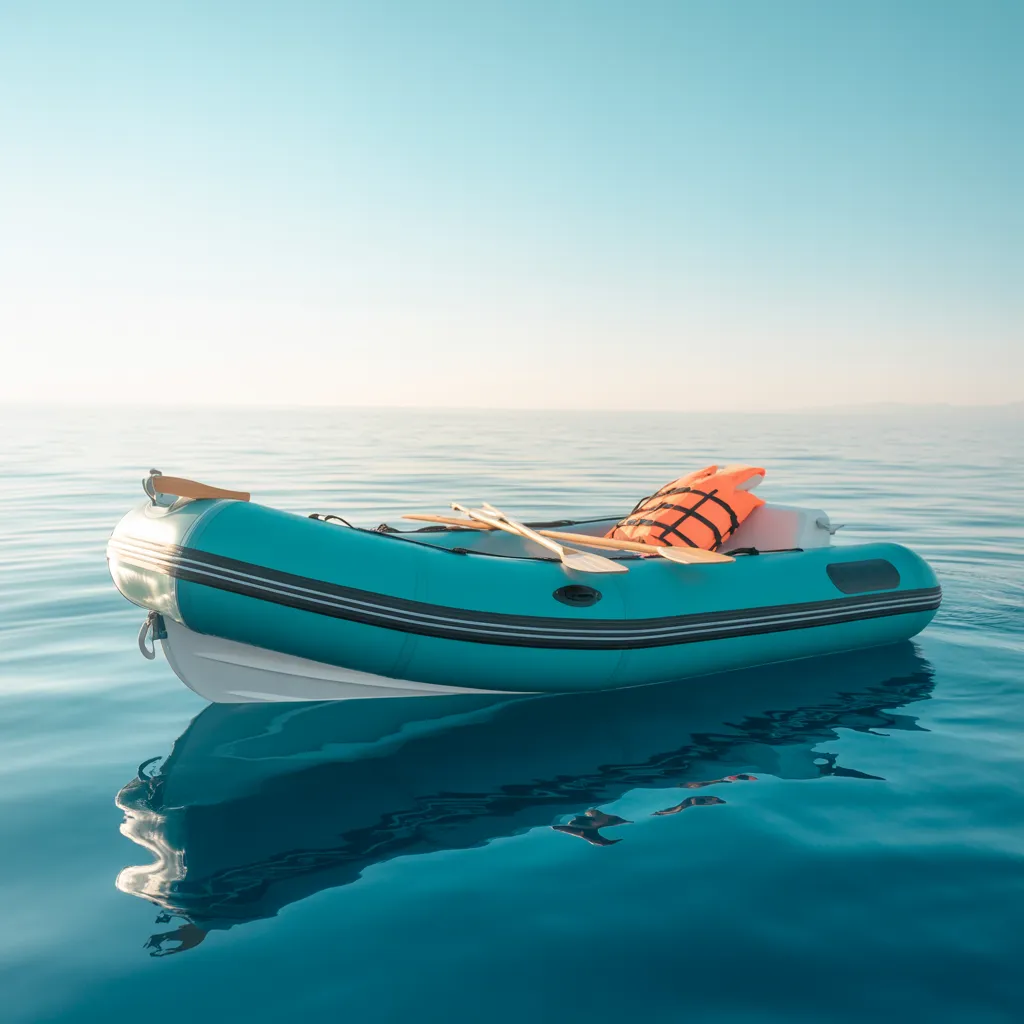
Must-Have Fishing Poles and Reels
When plotting a successful fishing trip, choosing the right rods and reels is essential. The selection of rod should depend on the type of fishing, whether it be freshwater or saltwater, and the species targeted. Spinning rods are multipurpose and easy to handle, making them perfect for beginners. In contrast, baitcasting rods grant greater precision and control, well-suited for more experienced anglers.
Reels additionally play an important role; spinning reels are easy to use and reliable for various techniques, while closed-face reels provide superior line control and precision. Pairing the fishing rod and reel regarding power and action guarantees peak performance. Length is another consideration; extended rods allow for greater casting range, while shorter rods offer improved handling in tight spaces. Overall, the proper selection of fishing equipment can significantly improve the angling adventure, making it more enjoyable and productive.
Safety Equipment for a Seamless Trip
When arranging a fishing trip, protective equipment plays an essential role in guaranteeing a successful experience. Crucial items such as life jackets, vests, first aid essentials, and emergency communication devices boost safety on the water. Getting ready for unexpected situations allows anglers to focus on their adventure with security.
Life Jackets And Vests
A trusty life jacket or vest is key for maintaining safety during any fishing trip. These devices provide buoyancy and help avoid drowning in case of unexpected falls into the water. Available in a range of styles and sizes, they suit different activities and preferences, delivering comfort while fishing. Many contemporary life jackets are lightweight and made for ease of movement, allowing anglers to throw lines without restrictions. It’s crucial to select a U.S. Coast Guard-approved model to comply with safety standards. Proper fit is also necessary, since an ill-fitting life jacket can be ineffective. By emphasizing safety with a quality life jacket or vest, anglers can concentrate on enjoying their time on the water.
Essential First Aid Supplies
Having vital first aid supplies is key for any fishing trip, ensuring that anglers are ready for minor injuries or health concerns that may come up on the water. A complete first aid kit generally contains adhesive bandages, antiseptic wipes, and gauze pads to treat cuts and scrapes. Including pain relievers such as ibuprofen or acetaminophen is wise to reduce discomfort. Tweezers can additionally help remove splinters or hooks, and a cold pack can minimize swelling from minor injuries. For those prone to allergic reactions, antihistamines are crucial. Finally, a first aid manual offers guidance in case of more serious injuries. Having these essentials promotes a safer, more enjoyable fishing experience.
Crisis Alert Instruments
Fishing trips can rapidly become dangerous without proper communication devices, as unexpected situations may arise on the water. Essential tools like VHF radios enable fishermen to communicate with nearby boats or shore, providing a lifeline in emergencies. Additionally, satellite phones provide service in remote areas where cell signals are unreliable, ensuring that help can be summoned if needed.
Personal locator beacons (PLBs) are crucial, emitting distress signals to search and rescue teams even in the most secluded locations. Furthermore, possessing a whistle or mirror can improve visibility and audibility in emergencies. Supplying a fishing trip with these emergency communication devices not only improves safety but also provides peace of mind, allowing anglers to focus on enjoying their adventure.
Must-Have Tackle Boxes Which You Require for Fishing
Tackle boxes serve as indispensable resources for any angling adventure, presenting neatly arranged storage spaces to preserve equipment accessible and straightforward to locate. The determination regarding waterproof materials is important to defend contents against the elements, making sure everything remains moisture-resistant and functional. Moreover, considerations of size and portability can substantially boost a fisher's satisfaction, making transportation uncomplicated.
Key Storage Area Structure
A well-organized tackle box can elevate a fishing trip by so that everything from lures to lines is within easy reach. A efficient tackle box includes compartments meant for certain items, such as soft plastics, hard baits, and terminal tackle. By sorting gear, anglers can promptly find what they need, minimizing annoyance and optimizing their time fishing. Using adjustable dividers allows for modification, accommodating various sizes and types of tackle. Furthermore, clear containers aid anglers in keeping track of inventory at a glance. Regular maintenance is important; routine arranging and cleaning the tackle box confirms that all items are set for the next outing. Ultimately, deliberate compartment organization turns a tackle box into a efficient fishing companion.
Water-resistant Products and Their Critical Role
Systematic arrangement of fishing gear is just one component of the calculation; the materials used in tackle boxes greatly influence their effectiveness on the water. Water-resistant materials are necessary for defending tackle and gear from the elements. Rain, splashes, and humidity can harm lures, hooks, and other essential items, leading to costly new equipment. High-quality tackle boxes fashioned from waterproof substances promise that contents stay dry and functional, permitting anglers to concentrate on fishing rather than being anxious about gear degradation. Additionally, these materials often come with added strength, resisting wear and tear from rough handling or abrasive circumstances. Ultimately, choosing a tackle box constructed from waterproof substances boosts the overall angling adventure, safeguarding equipment and optimizing performance in diverse environments.
Size and Mobility Factors
How does one achieve the perfect balance between size and portability when selecting a tackle box? Fishermen face this challenge often, as a well-chosen tackle box must accommodate a range of gear while remaining simple to transport. A larger box may contain more tackle but can become unwieldy during travel, especially on land or by kayak. Alternatively, a small box ensures portability but may limit usable space for necessary items.
To address this challenge, fishing enthusiasts should reflect on their angling approach and the specific gear required for their journey. Adjustable tackle boxes, which provide adaptable organization, often deliver an excellent option. Finally, the right tackle box elevates the fishing experience by integrating effectiveness with practicality, ensuring fishing enthusiasts are always prepared.
Bait Types and Fishing Methods
Success in angling often rests on the deliberate choice of bait and the techniques employed. Anglers generally prefer between live bait, such as minnows or worms, and artificial lures, which mimic the appearance and movement of prey. Each bait type has its advantages; natural bait tends to attract a broader range of fish, while lures permit multiple techniques and can reach additional water productively.
Methods vary considerably based on intended catch and circumstances. For example, substrate fishing is effective for fish such as catfish, utilizing weights to keep bait near the substrate. In contrast, fly casting targets species such as trout, employing lightweight flies that float on the water's surface. Trolling, a method consisting of dragging bait behind a moving boat, works well for big fish such as salmon. Finally, understanding the combination of bait varieties and methods can greatly enhance an angler's chances of success on any complete guide fishing trip.
Amusing Items to Make Your Fishing Excursion Memorable
Fishing expeditions can be enhanced with a assortment of fun items that boost the overall experience. One popular addition is a individualized tackle box, permitting anglers to manage their tools while including a touch of personality. Additionally, styled apparel, such as similar hats or shirts, builds bonding among fishing buddies and serves as a fun reminder.
Portable Bluetooth speakers can foster a lively mood, furnishing the perfect soundtrack for a day on the water. For those who enjoy photography, a waterproof camera or smartphone case preserves memorable moments without the concern of water damage.
Lastly, a fishing-themed game or card set can entertain during downtime, making the trip satisfying even when the fish aren't taking the bait. By adding these engaging accessories, anglers can create unforgettable moments and boost the overall enjoyment of their fishing adventures.
Picking the Best Fishing Tools
Getting the proper fishing tackle is crucial for guaranteeing a productive outing on the water. Anglers must assess numerous factors, encompassing the type of fish they aim to land, the fishing environment, and individual skill levels. For freshwater fishing, a moderate-action rod matched with a spinning reel is often perfect, while saltwater fishing may require more robust tackle to resist larger species.
Line durability and lure selection also play significant roles; a properly paired line can avoid line breaks, while the correct lure selection can attract the desired fish. Additionally, safety equipment, including life jackets and sun protection, should not be overlooked.
To summarize, it's important to select equipment that fits with one's financial situation and preferences. Quality gear can elevate the angling pursuit, making it increasingly enjoyable and fruitful. By judiciously selecting their equipment, fishermen can maximize their odds of a satisfying angling venture.
Frequently Requested Questions
What Are the Best Fishing Spots for Beginners?
Novices frequently discover achievement at local ponds, rivers with calm waters, and designated fishing lakes. These locations typically present accessible shorelines, abundant fish populations, and a welcoming setting conducive to learning the basics of fishing.
What Role Do Climate Conditions Play in Catch Quality?
Weather conditions greatly impact fishing success; overcast skies often improve fish behavior, while bright sunlight can drive them deeper. Wind can churn the water, making fish more aggressive, while storms may temporarily stop bites.
What Licenses Do I Need to Angle Legally?
To angle legally, individuals generally require a valid angling permit issued by their region or country. Regulations vary, so reviewing regional guidelines is crucial to guarantee adherence with specific regulations for leisure or commercial fishing.
Are age limits required for angling in public waterways?
Age limitations for fishing in public waters vary by state and region. Typically, young people may angle with adult supervision, while some regions mandate licenses for specific age groups. Researching regional rules ensures compliance with applicable laws.
What Should I Do if I Catch a Fish?
After catching a fish, one should carefully handle it, considering local requirements. If meaning to keep it, guarantee right preservation; otherwise, gently release it back into the water to minimize stress and assure survival.